Know your house
Older Homes and Estate Houses in Stafford
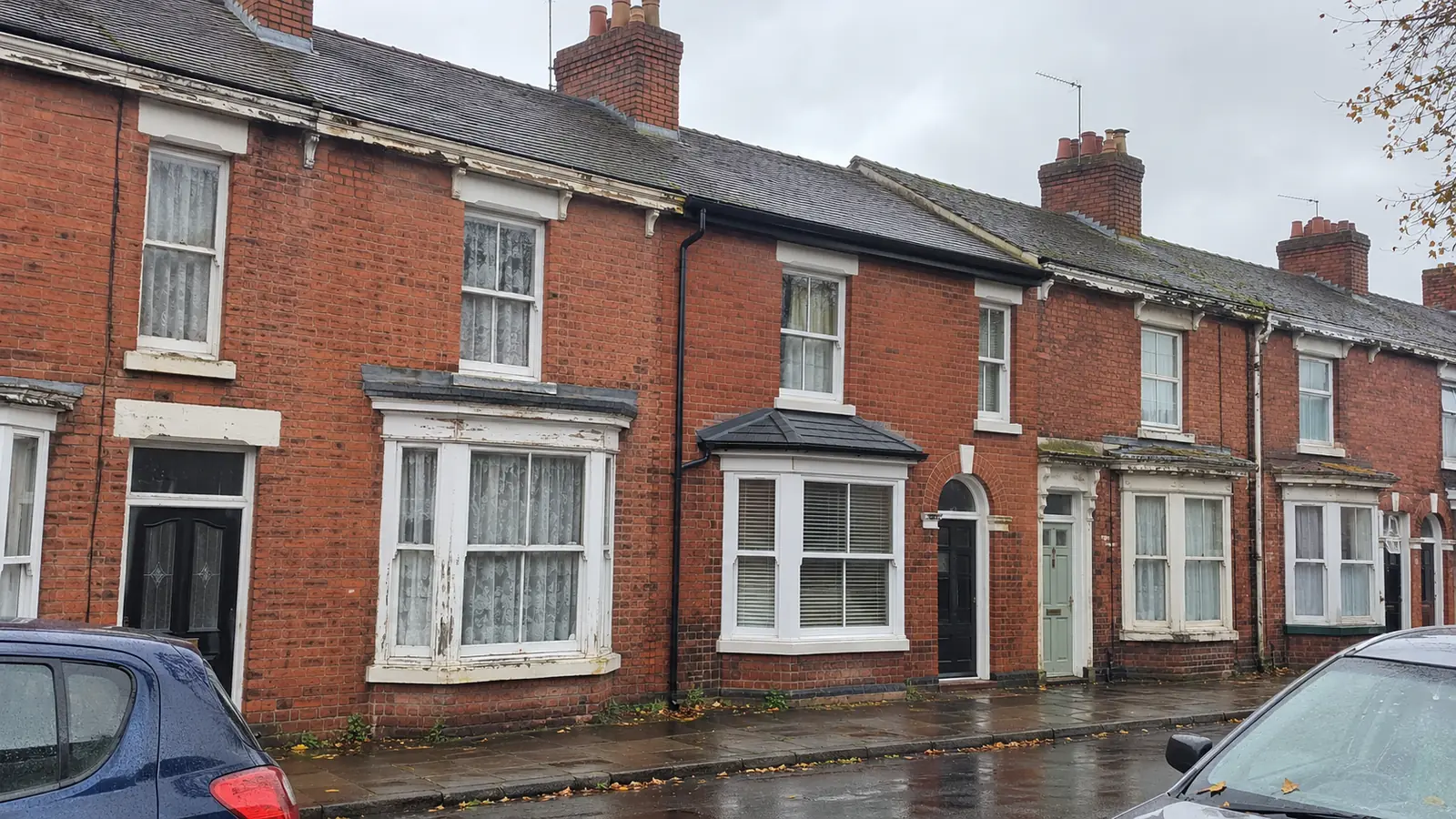
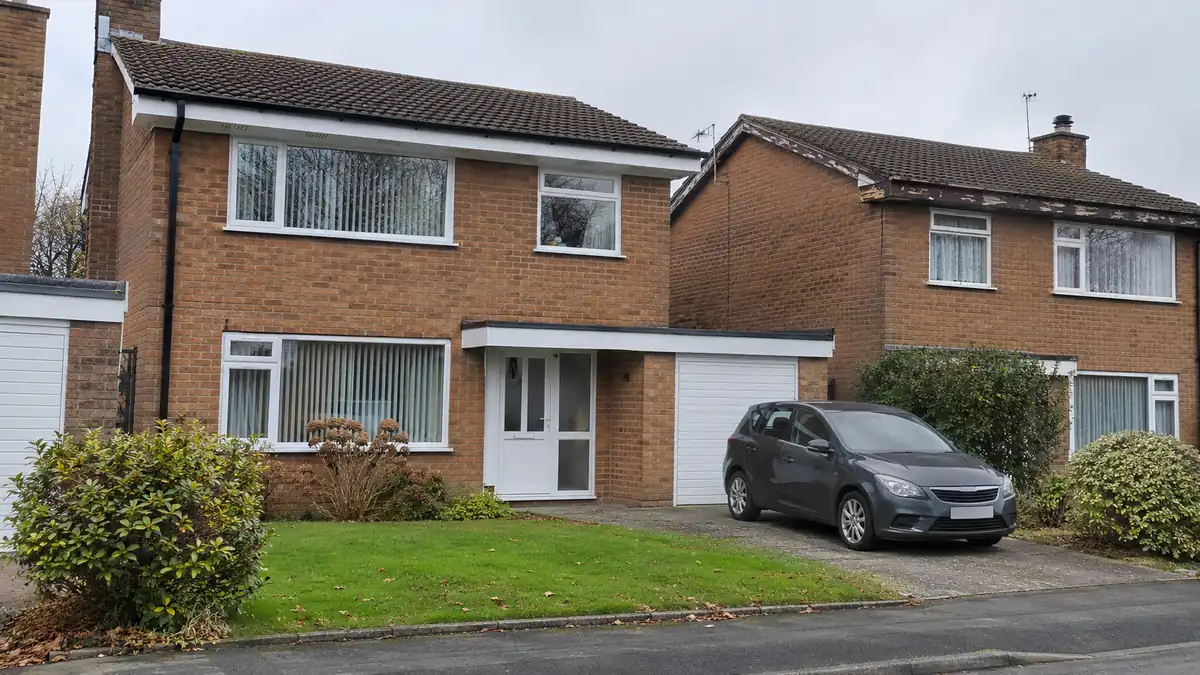
A 1970s link-detached house and a Victorian terrace by the town centre raise different questions about the same few boards. Start with what you own and where it stands.
Check in this order
- Which council covers the address
- Whether the building is listed
- Whether it sits in a conservation area
- Whether an Article 4 Direction applies
- Whether the planning history adds conditions
Which council?
Stafford Borough Council is the planning authority for the town, and Stone, Great Haywood, Gnosall and Hixon fall within the borough too. Penkridge does not: it is in South Staffordshire district. If you live near a boundary, put your postcode into GOV.UK’s local council finder rather than going by the post town.
The housing mix
At the 2021 Census, the Stafford district had 60,048 households. Of those, 23,097 were in detached houses or bungalows, 19,639 in semi-detached ones, 9,835 in terraced homes and 5,733 in purpose-built flats, with the rest in other kinds of accommodation. Those figures cover the whole borough, not just the town. The counts are from ONS Census 2021, table TS044, on Nomis.
Estate houses of the 1960s to 1980s
Around Wildwood, Weeping Cross, Baswich, Holmcroft and Highfields there are many brick homes of this period, often with shallow concrete-tiled roofs, generous eaves and flat-roofed porches or garages joined on. Timber boards of that age that were never renewed are a fair thing to have checked. Plenty will have been replaced or covered already, in which case the questions are about what lies under the cover, how it is ventilated and whether the gutter still runs true.
- Do porch and garage trims belong in the same job?
- Is the soffit original sheet material that should be left alone until it has been identified?
- Where a house is linked to its neighbour, who owns the shared stretch?
- Do your deeds or the estate’s planning permission limit changes to the outside?
Older streets near the centre
The council’s 2011 appraisal of the town centre conservation area describes local building like this.
The historic buildings of Stafford, including those outside the Conservation Areas, have been built using mainly local materials, particularly red brick.
Stafford Borough Council: Stafford Conservation Area appraisal, November 2011 (PDF)
The most common roofing material is Staffordshire blue or red plain clay tiles, although slate was used for grander commercial and civic buildings. Many buildings have had their roofs replaced with concrete tiles.
Stafford Borough Council: Stafford Conservation Area appraisal, November 2011 (PDF)
The same document counted over 80 listed buildings or structures inside that one conservation area at the time. Across the borough the council now says:
There are 29 Conservation Areas in Stafford Borough.
Stafford Borough Council: Conservation Areas
Its list includes Stafford (Town Centre), Forebridge, Foregate and St Georges, Corporation Street Flats and Burton Manor Village, as well as Stone, Gnosall, and Great Haywood and Shugborough. Boundaries are drawn closely, so check your own address on the Stafford Borough Council: list of conservation areas.
Article 4 Directions
Within certain areas, including conservation areas and National Landscapes (formerly Areas of Outstanding Natural Beauty), these permitted development rights are automatically reduced so that more work requires planning permission.
Stafford Borough Council: Conservation Areas
An Article 4 Direction reduces them further. The council’s position when read on 27 November 2026:
Stafford Borough currently has three Article 4 Directions in place in Stone, Eccleshall and Burton Manor Village.
Stafford Borough Council: Conservation Areas
Among its examples of alterations likely to need permission under those Directions is this:
The erection, or alteration, of fascia boards;
Stafford Borough Council: Conservation Areas
The council explains that the type of Direction concerned affects elevations facing a road, waterway or open space, unless stated otherwise. Each area has its own documents, so read the one for your street or ask. It adds:
Like for like repairs do not usually require planning permission, however dialogue with the Conservation Officer is recommended prior to carrying out works for additional guidance and clarity on any requirement for consent.
Stafford Borough Council: Conservation Areas
Listed buildings
The council’s listed buildings page, last updated in September 2026, records 836 listed buildings in the borough. Its instruction to owners is firm.
Before any works take place on a listed building the Conservation Officer must be contacted to discuss whether consent is needed. Unauthorised works could result in enforcement action being taken by the Council.
Stafford Borough Council: Listed Buildings
Do not assume that new boards in a different material count as maintenance. Photograph what is there, describe what is proposed and have the council’s answer in hand before any order is placed. It also says that its conservation service helps owners:
Advice is also given to owners who live in listed buildings or within conservation areas on aspects such as building construction or use of suitable materials.
Stafford Borough Council: Conservation
Mention the rough age of the house and any protection you know of.
Start a Stafford quoteOld or newer, start here
Tell the form what kind of home it is and what has begun to fail.